


Tubal Factor Infertility: Causes, Diagnosis, and Treatment
Tubal factor infertility refers to any condition where the fallopian tubes are blocked, damaged, or otherwise unable to function properly. These tubes are essential for natural conception because they transport the egg from the ovary to the uterus and serve as the site where fertilization typically occurs. When the tubes are compromised, sperm cannot reach the egg, or the fertilized egg cannot travel to the uterus, resulting in infertility.
This condition accounts for about one-third of female infertility cases, making it a significant concern for patients trying to conceive. Tubal issues can range from minor scarring to complete blockage, and the underlying causes often involve prior infections, surgeries, or chronic conditions.
Conditions Associated with Tubal Factor Infertility
Several medical conditions and life events can lead to tubal damage or obstruction:
-
Pelvic Inflammatory Disease (PID): PID is a serious infection of the female reproductive organs, often caused by untreated sexually transmitted infections like chlamydia or gonorrhea. The infection can lead to inflammation and scarring inside the fallopian tubes, creating blockages that prevent egg and sperm from meeting.
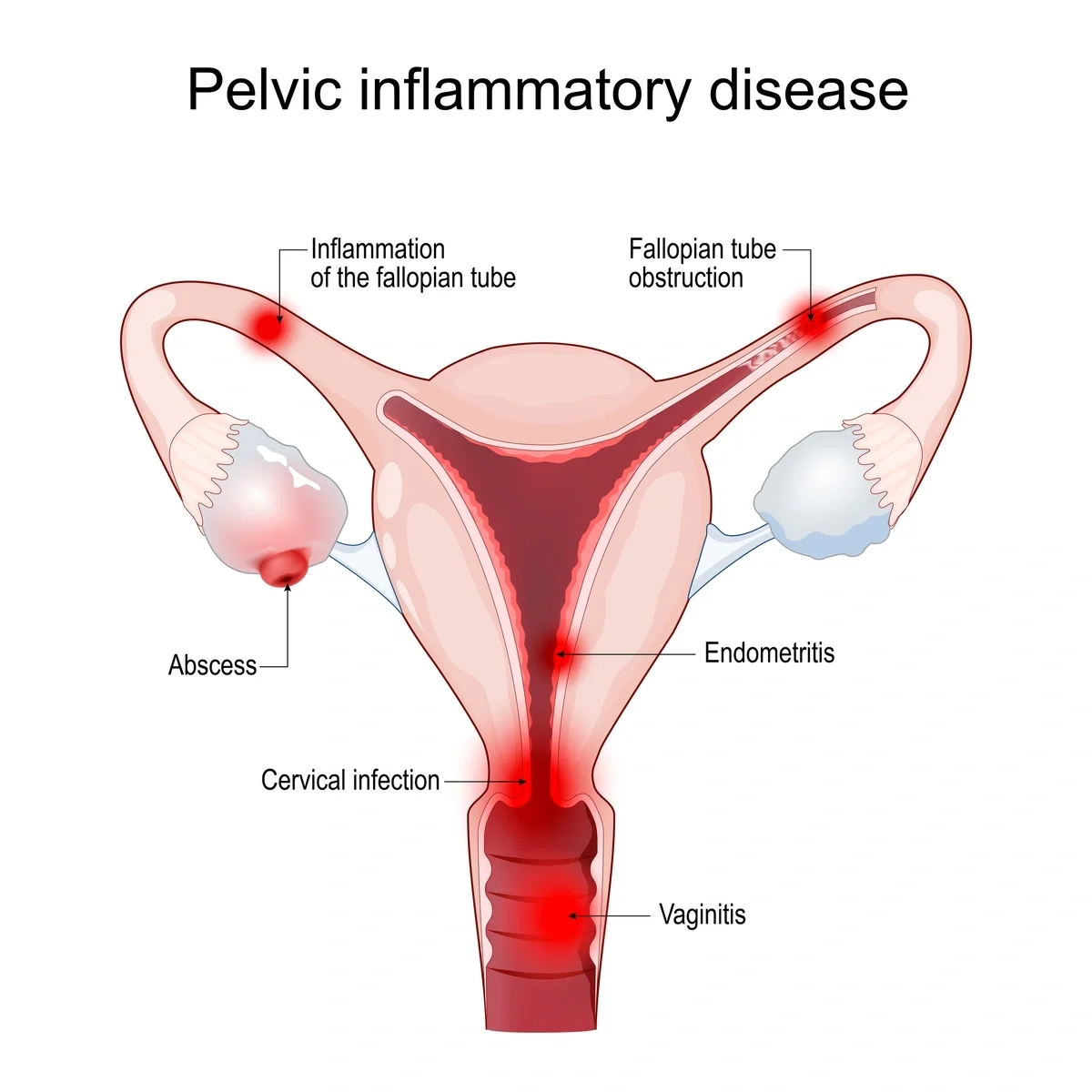
Illustration of PID
-
Endometriosis: In endometriosis, tissue similar to the uterine lining grows outside the uterus, often on the ovaries, fallopian tubes, or pelvic lining. This abnormal tissue can cause inflammation, adhesions, and scarring around the tubes, reducing their mobility and function.
-
Previous Pelvic or Abdominal Surgery: Surgeries such as appendectomy, cesarean section, or procedures for ovarian cysts can lead to adhesions—bands of scar tissue that form between organs. These adhesions may distort or block the fallopian tubes.
-
Tubal Ligation or Reversal: Tubal ligation (“getting your tubes tied”) is a permanent form of birth control. While reversal is possible, it can leave the tubes narrowed or scarred, increasing the risk of infertility.
-
Hydrosalpinx: This condition occurs when a fallopian tube becomes filled with fluid, usually due to prior infection or surgery. Hydrosalpinx not only blocks the tube but can also release toxic fluid into the uterus, reducing the chances of embryo implantation during IVF.
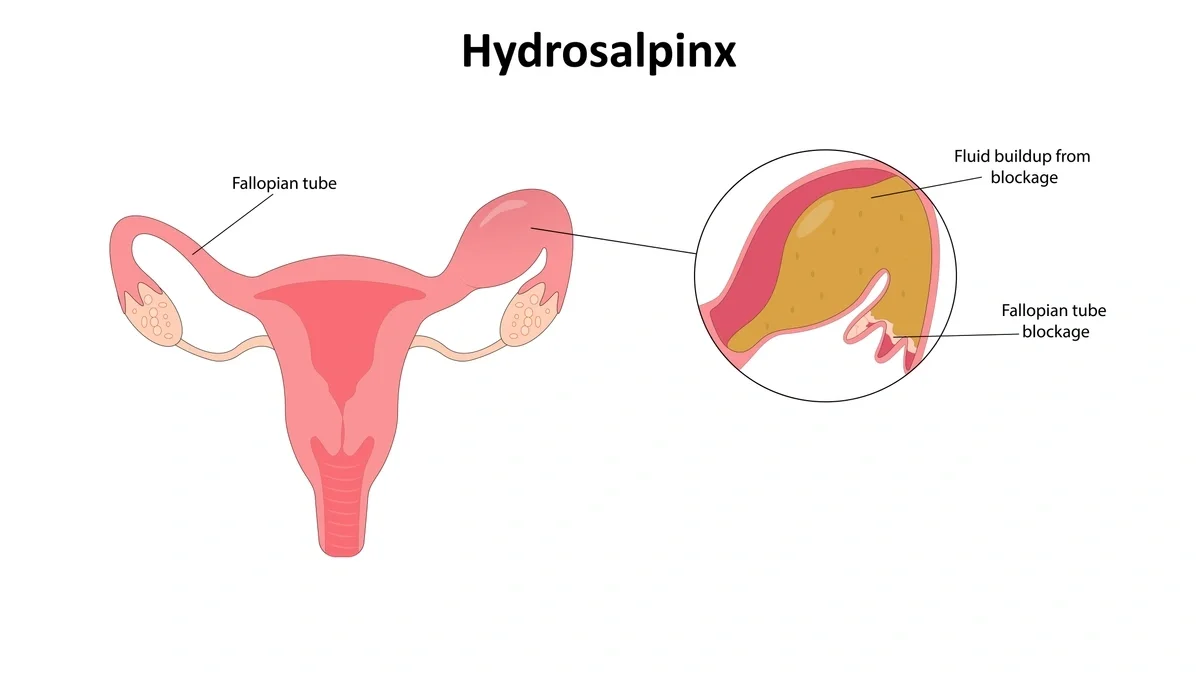
Illustration of hydrosalpinx
Diagnosis
Diagnosing tubal factor infertility involves evaluating whether the fallopian tubes are open and functioning properly. Common diagnostic tools include:
-
Hysterosalpingogram (HSG): This X-ray procedure uses a contrast dye injected into the uterus and fallopian tubes. If the dye flows freely, the tubes are open; if not, a blockage is present. While HSG can cause mild cramping, it provides valuable insight into tubal health.
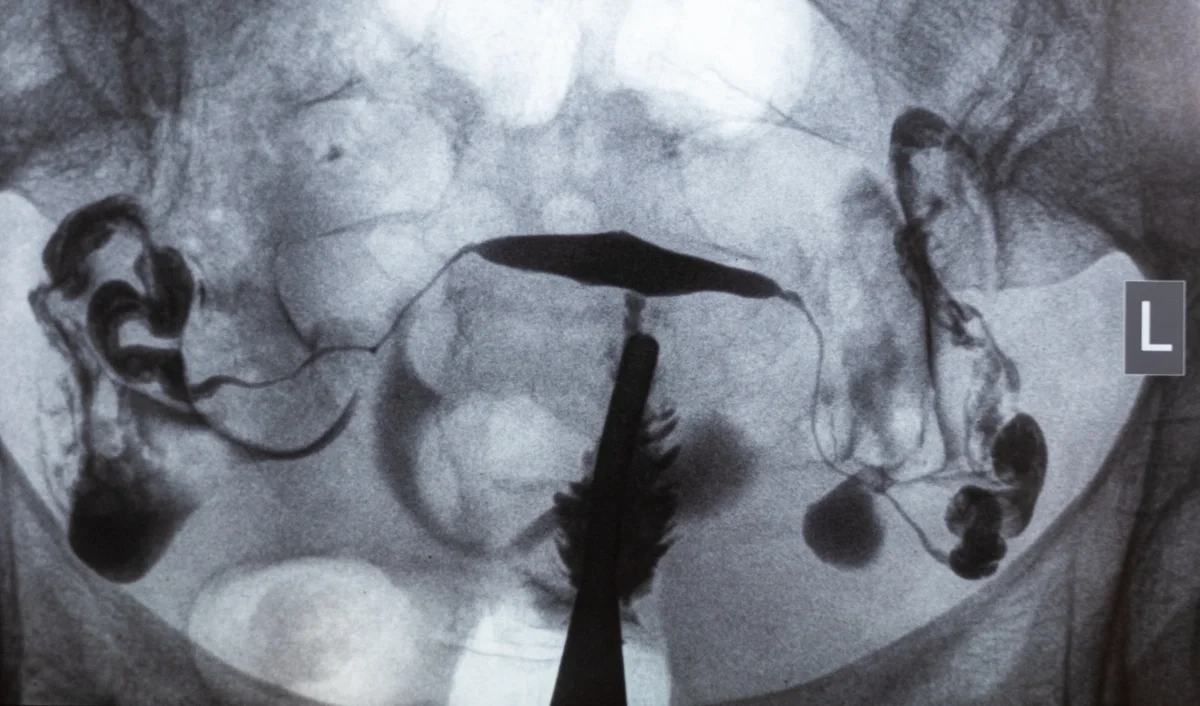
X-ray image of HSG
-
Sonohysterogram or Saline Infusion Sonography: This ultrasound-based test uses saline to outline the uterine cavity and can sometimes detect abnormalities near the tubal openings.
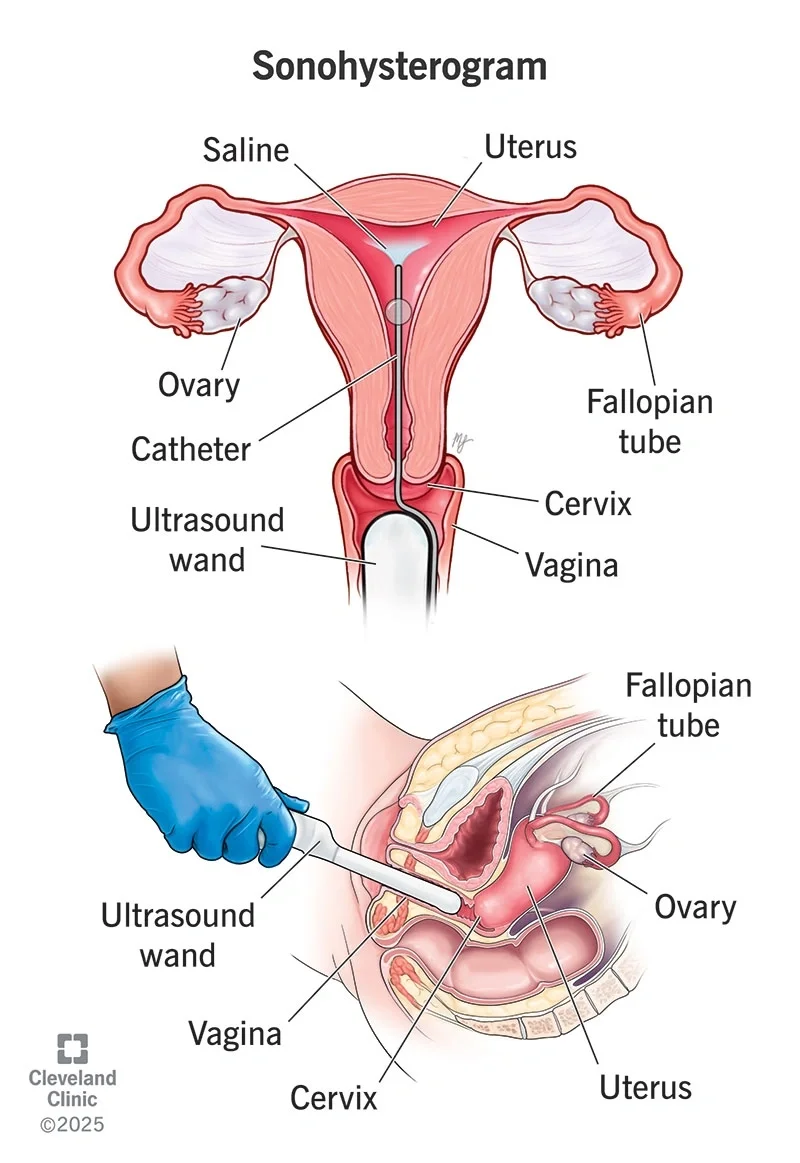
Illustration of a sonohysterogram from the Cleveland Clinic
-
Laparoscopy: Considered the gold standard for diagnosing tubal issues, laparoscopy is a minimally invasive surgery where a small camera is inserted through the abdomen. It allows direct visualization of the tubes and surrounding structures and can identify adhesions, endometriosis, or hydrosalpinx.
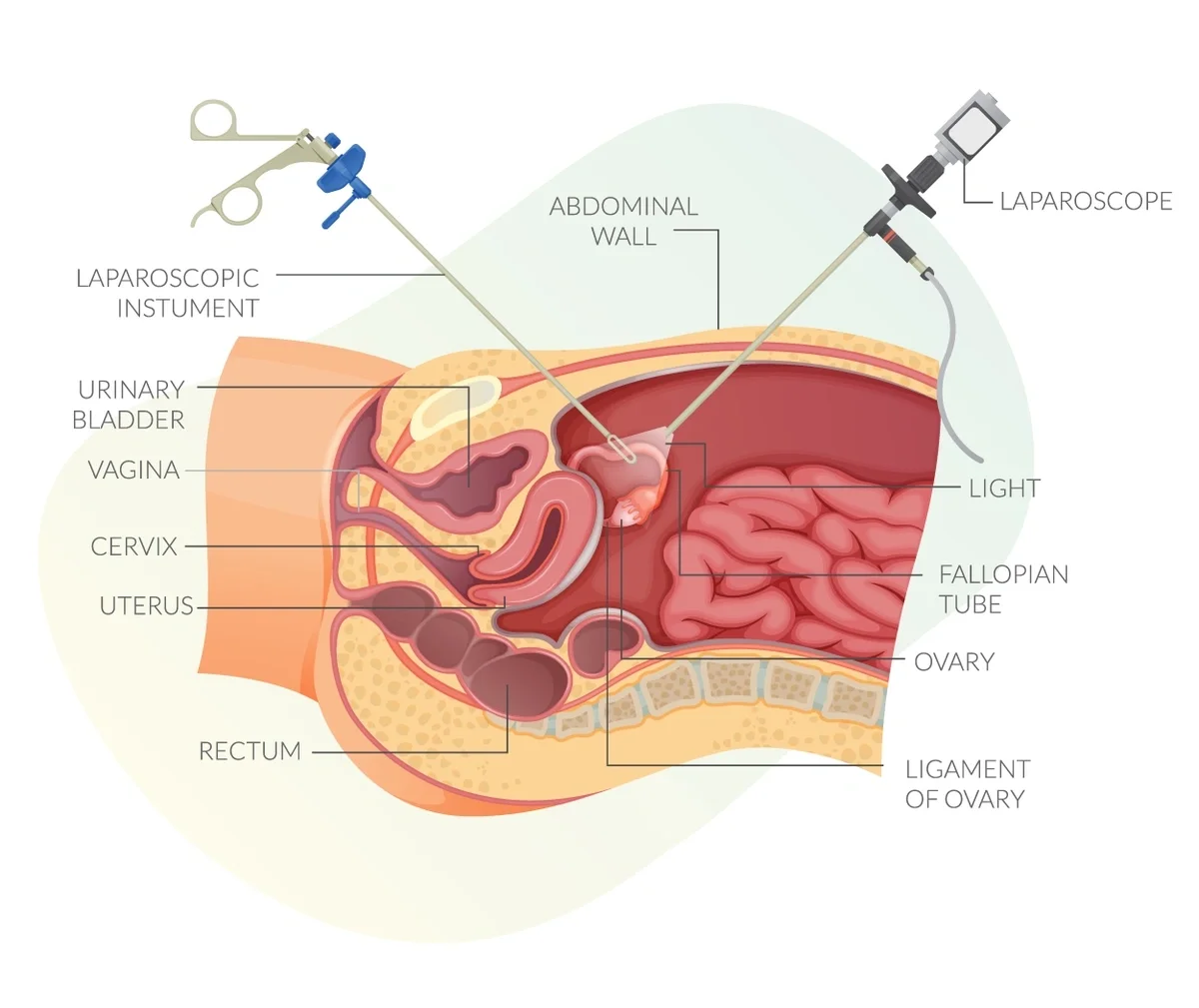
Illustration of laparoscopy
-
Hysteroscopy: While primarily used to examine the uterine cavity, hysteroscopy can complement other tests by identifying structural issues that may coexist with tubal problems.
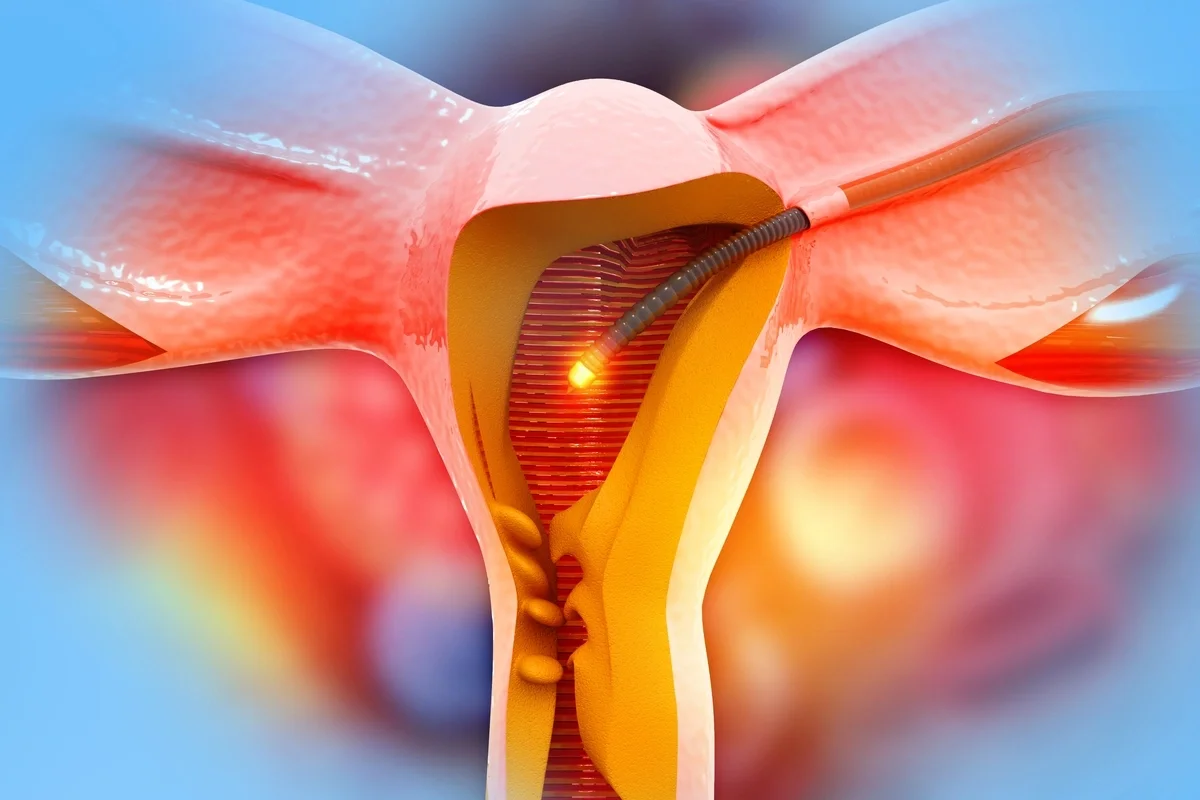
Illustration of hysteroscopy
Treatment Options
Treatment depends on the severity of the damage, the patient’s age, and overall fertility goals:
-
Surgical Repair: In select cases, laparoscopic surgery can remove adhesions or repair minor tubal damage. However, success rates vary, and surgery is less effective when extensive scarring or hydrosalpinx is present.
-
Salpingectomy or Salpingostomy: If a hydrosalpinx is detected, removing the affected tube (salpingectomy) or creating an opening (salpingostomy) can improve in vitro fertilization (IVF) success rates. This is often recommended before starting IVF.
-
In Vitro Fertilization (IVF): IVF bypasses the fallopian tubes entirely. Eggs are retrieved from the ovaries, fertilized in the lab, and embryos are transferred directly into the uterus. For most patients with tubal factor infertility, IVF offers the highest chance of success.
-
Lifestyle and Preventive Measures: Preventing sexually transmitted infections, seeking prompt treatment for pelvic infections, and discussing surgical risks with your provider can help reduce the likelihood of tubal damage.
Next Steps
If you suspect tubal factor infertility or have been diagnosed with a related condition, schedule a consultation with Tennessee Fertility Institute. Our team will guide you through personalized treatment options and help you take the next step toward building your family.