


Signs of Anovulation and What They Mean for Fertility
Ovulation is a cornerstone of reproductive health. When it doesn’t occur regularly—or at all—it can significantly impact your ability to conceive. This condition, known as anovulation, is one of the most common causes of infertility. At Tennessee Fertility Institute (TFI), our specialists are here to help you understand the signs, causes, and treatment options available to restore ovulatory function and support your fertility journey.
What Is Anovulation?
Anovulation refers to the absence of ovulation, meaning the ovaries do not release an egg during the menstrual cycle. Without ovulation, fertilization cannot occur, making pregnancy impossible during that cycle. It’s estimated that anovulation accounts for approximately 30% of infertility cases in women.
Ovulation is regulated by a complex hormonal interplay involving the hypothalamus, pituitary gland, and ovaries. When this hormonal balance is disrupted, ovulation may not occur, leading to irregular or absent menstrual cycles.
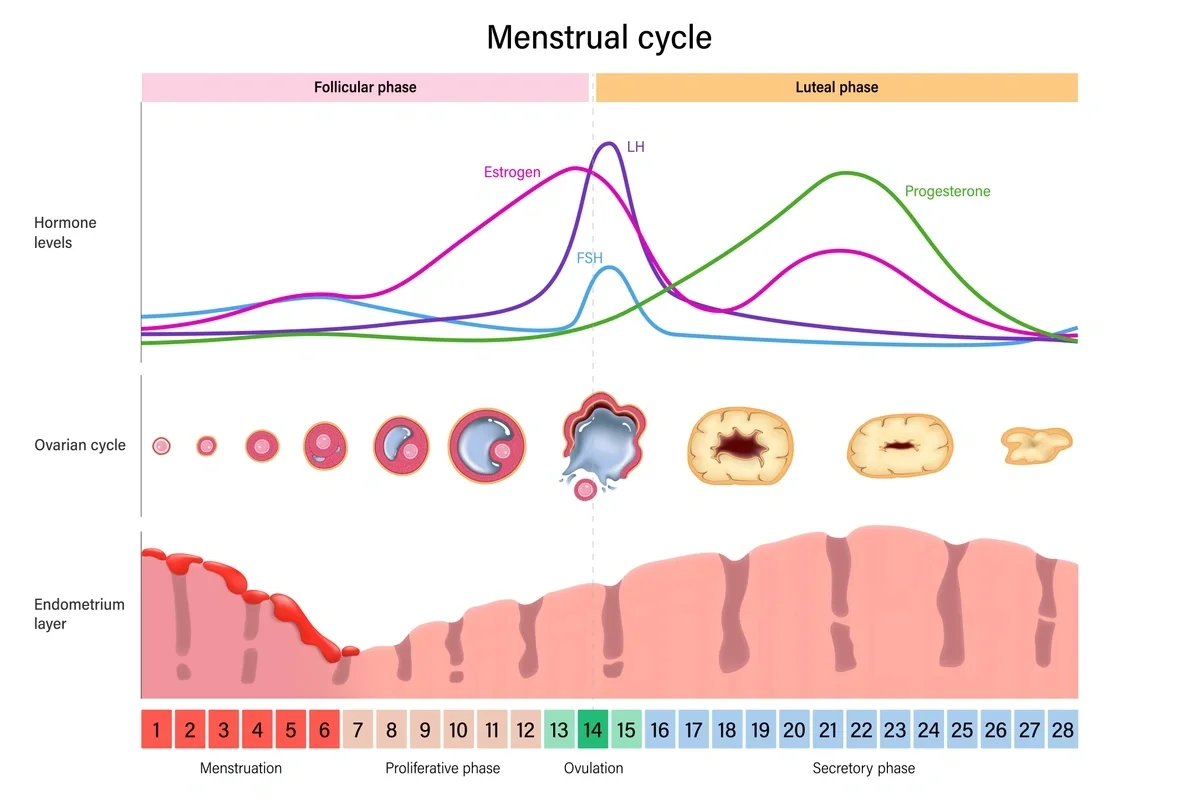
Illustration of a menstrual cycle
Common Signs and Symptoms of Anovulation
Recognizing the signs of anovulation is essential for early diagnosis and treatment. Some of the most common symptoms include:
-
Irregular periods: Cycles that vary in length or are unpredictable.
-
Absent periods (amenorrhea): Missing one or more periods without pregnancy.
-
Very light or heavy bleeding: Unusual menstrual flow may indicate hormonal imbalance.
-
Lack of cervical mucus: During ovulation, cervical mucus typically becomes clear, stretchy, and egg-white-like.
-
Irregular basal body temperature: Ovulation causes a slight rise in resting body temperature, which may be absent in anovulatory cycles.
It’s important to note that having a period doesn’t always mean ovulation has occurred. Some women experience anovulatory bleeding, which can be mistaken for a regular period.
What Causes Anovulation?
Anovulation can result from various medical and lifestyle factors. The most common causes include:
Polycystic Ovary Syndrome (PCOS)
PCOS is the leading cause of anovulation, responsible for up to 70% of cases. Women with PCOS often have elevated androgen levels, which interfere with follicle development and ovulation. Symptoms may include acne, excess hair growth, and irregular cycles.
Other Contributing Conditions
-
Premature Ovarian Insufficiency (POI): Early decline in ovarian function before age 40.
-
Thyroid disorders: Hypothyroidism can increase prolactin levels, suppressing ovulation.
-
Hyperprolactinemia: Elevated prolactin levels can inhibit ovulatory hormones.
-
Low body weight or excessive exercise: These can disrupt hormone production.
-
Stress: Chronic stress affects the hypothalamic-pituitary-ovarian axis, leading to hormonal imbalance.
How TFI Fertility Specialists Diagnose and Treat Ovulation Issues
At Tennessee Fertility Institute, our board-certified reproductive endocrinologists use advanced diagnostic tools to evaluate ovulatory function. These may include:
-
Hormone level testing (FSH, LH, prolactin, thyroid)
-
Ultrasound imaging of the ovaries
-
Ovulation predictor kits and basal body temperature tracking
Personalized Treatment Plans
Once diagnosed, our specialists create customized treatment plans tailored to your unique needs. Treatment options may include:
-
Lifestyle modifications: Nutritional counseling, stress management, and exercise adjustments.
-
Ovulation induction medications: Such as Clomiphene Citrate, FSH injections, or GnRH agonists.
-
Advanced fertility treatments: Including intrauterine insemination (IUI) and in vitro fertilization (IVF), often combined with ovulation induction for optimal results.
Ready to Take the Next Step?
If you suspect anovulation or are struggling to conceive, don’t wait. Contact Tennessee Fertility Institute today to schedule a consultation and take the first step toward understanding your reproductive health.